
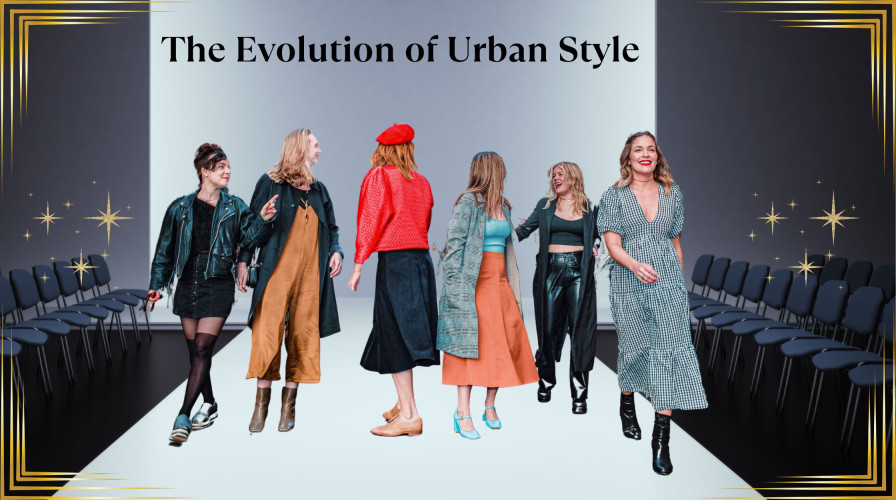
Streetwear Revolution: From Sidewalks to Catwalks, The Evolution of Urban Style
Streetwear, once confined to urban enclaves and niche subcultures, has transcended its roots to become a dominant force in global fashion. This article explores the journey of streetwear, its rise from underground origins, and its transformation into a mainstream phenomenon that influences fashion trends worldwide.
The Origins of Streetwear
Emerging in the late 20th century, streetwear evolved from the streets of inner-city neighbourhoods, where young people expressed their identities through clothing inspired by hip-hop, skateboarding, graffiti art, and surf culture. Brands like Stussy, Supreme, and A Bathing Ape (BAPE) pioneered the movement, creating apparel that resonated with rebellious youth seeking authenticity and individuality.
Streetwear Goes Mainstream
What began as a countercultural movement gradually gained popularity beyond its urban origins, thanks to cultural icons, celebrities, and influencers who embraced streetwear’s casual aesthetic. The adoption of streetwear by musicians, athletes, and actors propelled it into the spotlight, sparking collaborations between streetwear brands and high-fashion houses.
Influence on Fashion and Pop Culture
Streetwear’s impact on fashion extends beyond clothing—it has reshaped consumer expectations and blurred the lines between luxury and street style. Collaborations between streetwear brands like Nike, Adidas, and Louis Vuitton have blurred the boundaries between street culture and high fashion, creating limited-edition collections that sell out within minutes.
Key Elements of Streetwear
Casual Comfort: Emphasis on comfortable, functional clothing suitable for everyday wear.
Graphic Design: Bold logos, graphics, and artwork that reflect urban art influences.
Athletic Influences: Incorporation of sportswear elements such as hoodies, sneakers, and track pants.
Limited Editions and Drops: Exclusive releases and collaborations that create hype and demand.
Streetwear in the Digital Age
The rise of social media and online platforms has amplified streetwear’s influence, enabling brands to connect directly with global audiences. Streetwear enthusiasts use platforms like Instagram and TikTok to showcase their personal style and influence fashion trends, democratizing the industry and giving rise to streetwear as a cultural movement.
The Future of Streetwear
As streetwear continues to evolve, its future lies in sustainability, inclusivity, and innovation. Brands are increasingly focusing on eco-friendly practices, diverse representation, and technological advancements in materials and production. Streetwear’s ability to adapt and innovate ensures its enduring appeal across generations and cultures.
Conclusion
From its humble beginnings in urban neighbourhoods to its current status as a global fashion phenomenon, streetwear has transformed the way we dress and express ourselves. What started as a subculture has influenced mainstream fashion, reshaped consumer habits, and redefined luxury. As streetwear evolves, its cultural significance and influence on global fashion trends are set to grow, cementing its place as a timeless style staple for generations to come.
Related Tag :